The Long Walk
by Richard Bachman (Stephen King)
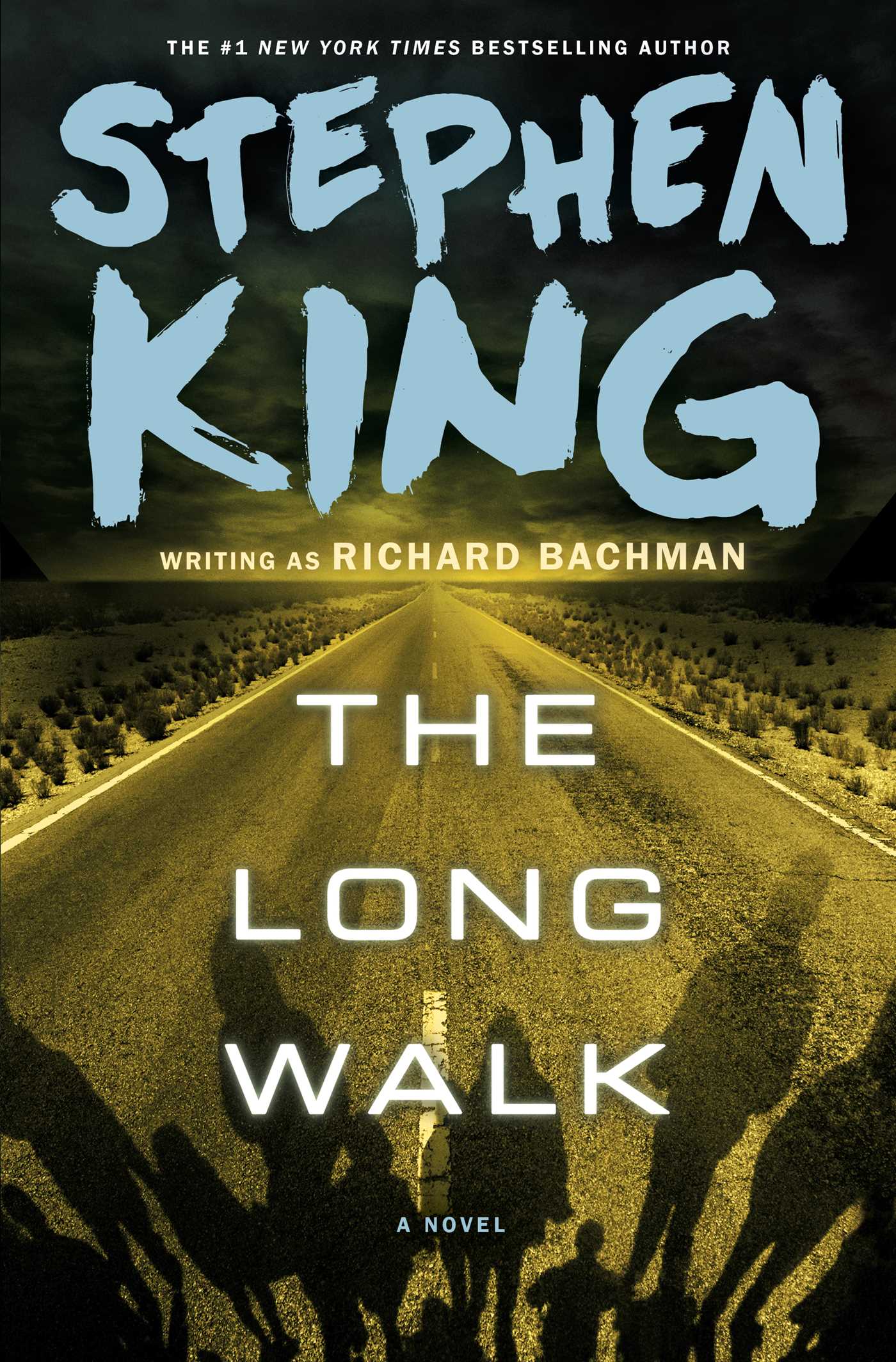
One hundred boys enter a state-sponsored endurance contest in which falling below the required pace brings fatal punishment.
Buy the book on AmazonReader Highlights
One hundred boys enter a state-sponsored endurance contest in which falling below the required pace brings fatal punishment.
This guide follows the plot and its deeper questions about spectacle, state violence, friendship, exhaustion, and moral numbness.
Plot Summary
Chapter 1: The premise makes an ordinary role impossible
One hundred boys enter a state-sponsored endurance contest in which falling below the required pace brings fatal punishment. This movement establishes the pressure that shapes every later choice. In The Long Walk, an event is never only an event: it changes what a character can say, what another person can safely believe, and what the larger world rewards them for hiding.
The chapter should be read through spectacle, state violence, friendship, exhaustion, and moral numbness. These ideas are not separate lessons added after the plot. They determine how people understand risk, loyalty, safety, and the future. A decision that looks freely chosen from a distance may carry family history, social expectation, material limits, or an old injury.
A close reading follows the gap between public behavior and private consequence. A promise alters a later silence; care can become a debt; a familiar story about another person can fail under pressure. The book asks the reader not merely what happened, but who is allowed to name what happened and whose version is treated as credible.
There is an important difference between explanation and excuse. The Long Walk makes motive legible without making harm disappear. Fear can coexist with care, ambition with generosity, desire with control, and loyalty with avoidance. That layered moral vocabulary is why the conflict supports more than a simple verdict.
Form matters as much as event. Pacing, point of view, repeated images, and withheld information all control when an insight becomes available. The strongest question is not whether the story produces a surprise, but how the new knowledge changes the reader's judgment of what came before it.
For discussion, identify the relationship that changes most in this section. What does each person believe they are protecting? Which fact would alter your judgment if it were understood differently? These questions keep interpretation close to evidence while allowing readers to disagree honestly about responsibility.
The social setting is active rather than decorative. It gives the characters roles to perform and limits to negotiate. The book repeatedly shows that private decisions are shaped by institutions, families, groups, audiences, or inherited stories. Seeing that structure prevents a summary from reducing the conflict to personality alone.
By the end of this movement, the problem is more complicated rather than simply larger. Trust is thinner, the cost of avoidance is clearer, and an earlier identity no longer explains what the characters must do. That progression turns the chapter into a step in the book's larger argument.
At this early point, the book makes a foundational distinction between the role a character performs and the need that role cannot satisfy. That distinction gives later scenes their force, because a decision that appears practical may also be an attempt to escape a history the character has not named. At this early point, the book makes a foundational distinction between the role a character performs and the need that role cannot satisfy. That distinction gives later scenes their force, because a decision that appears practical may also be an attempt to escape a history the character has not named. At this early point, the book makes a foundational distinction between the role a character performs and the need that role cannot satisfy. That distinction gives later scenes their force, because a decision that appears practical may also be an attempt to escape a history the character has not named. At this early point, the book makes a foundational distinction between the role a character performs and the need that role cannot satisfy. That distinction gives later scenes their force, because a decision that appears practical may also be an attempt to escape a history the character has not named. At this early point, the book makes a foundational distinction between the role a character performs and the need that role cannot satisfy. That distinction gives later scenes their force, because a decision that appears practical may also be an attempt to escape a history the character has not named. At this early point, the book makes a foundational distinction between the role a character performs and the need that role cannot satisfy. That distinction gives later scenes their force, because a decision that appears practical may also be an attempt to escape a history the character has not named. At this early point, the book makes a foundational distinction between the role a character performs and the need that role cannot satisfy. That distinction gives later scenes their force, because a decision that appears practical may also be an attempt to escape a history the character has not named. At this early point, the book makes a foundational distinction between the role a character performs and the need that role cannot satisfy. That distinction gives later scenes their force, because a decision that appears practical may also be an attempt to escape a history the character has not named.
Chapter 2: Relationships turn evidence into a test of loyalty
One hundred boys enter a state-sponsored endurance contest in which falling below the required pace brings fatal punishment. This movement establishes the pressure that shapes every later choice. In The Long Walk, an event is never only an event: it changes what a character can say, what another person can safely believe, and what the larger world rewards them for hiding.
The chapter should be read through spectacle, state violence, friendship, exhaustion, and moral numbness. These ideas are not separate lessons added after the plot. They determine how people understand risk, loyalty, safety, and the future. A decision that looks freely chosen from a distance may carry family history, social expectation, material limits, or an old injury.
A close reading follows the gap between public behavior and private consequence. A promise alters a later silence; care can become a debt; a familiar story about another person can fail under pressure. The book asks the reader not merely what happened, but who is allowed to name what happened and whose version is treated as credible.
There is an important difference between explanation and excuse. The Long Walk makes motive legible without making harm disappear. Fear can coexist with care, ambition with generosity, desire with control, and loyalty with avoidance. That layered moral vocabulary is why the conflict supports more than a simple verdict.
Form matters as much as event. Pacing, point of view, repeated images, and withheld information all control when an insight becomes available. The strongest question is not whether the story produces a surprise, but how the new knowledge changes the reader's judgment of what came before it.
For discussion, identify the relationship that changes most in this section. What does each person believe they are protecting? Which fact would alter your judgment if it were understood differently? These questions keep interpretation close to evidence while allowing readers to disagree honestly about responsibility.
The social setting is active rather than decorative. It gives the characters roles to perform and limits to negotiate. The book repeatedly shows that private decisions are shaped by institutions, families, groups, audiences, or inherited stories. Seeing that structure prevents a summary from reducing the conflict to personality alone.
By the end of this movement, the problem is more complicated rather than simply larger. Trust is thinner, the cost of avoidance is clearer, and an earlier identity no longer explains what the characters must do. That progression turns the chapter into a step in the book's larger argument.
Here the narrative narrows from premise to relationship. The reader can see how a private bond becomes evidence, obligation, and risk at once. That layered pressure explains why the characters cannot simply make the rational choice that an outside observer might recommend. Here the narrative narrows from premise to relationship. The reader can see how a private bond becomes evidence, obligation, and risk at once. That layered pressure explains why the characters cannot simply make the rational choice that an outside observer might recommend. Here the narrative narrows from premise to relationship. The reader can see how a private bond becomes evidence, obligation, and risk at once. That layered pressure explains why the characters cannot simply make the rational choice that an outside observer might recommend. Here the narrative narrows from premise to relationship. The reader can see how a private bond becomes evidence, obligation, and risk at once. That layered pressure explains why the characters cannot simply make the rational choice that an outside observer might recommend. Here the narrative narrows from premise to relationship. The reader can see how a private bond becomes evidence, obligation, and risk at once. That layered pressure explains why the characters cannot simply make the rational choice that an outside observer might recommend. Here the narrative narrows from premise to relationship. The reader can see how a private bond becomes evidence, obligation, and risk at once. That layered pressure explains why the characters cannot simply make the rational choice that an outside observer might recommend. Here the narrative narrows from premise to relationship. The reader can see how a private bond becomes evidence, obligation, and risk at once. That layered pressure explains why the characters cannot simply make the rational choice that an outside observer might recommend. Here the narrative narrows from premise to relationship. The reader can see how a private bond becomes evidence, obligation, and risk at once. That layered pressure explains why the characters cannot simply make the rational choice that an outside observer might recommend. Here the narrative narrows from premise to relationship. The reader can see how a private bond becomes evidence, obligation, and risk at once. That layered pressure explains why the characters cannot simply make the rational choice that an outside observer might recommend. Here the narrative narrows from premise to relationship. The reader can see how a private bond becomes evidence, obligation, and risk at once. That layered pressure explains why the characters cannot simply make the rational choice that an outside observer might recommend.
Chapter 3: The central conflict changes what people owe one another
One hundred boys enter a state-sponsored endurance contest in which falling below the required pace brings fatal punishment. This movement establishes the pressure that shapes every later choice. In The Long Walk, an event is never only an event: it changes what a character can say, what another person can safely believe, and what the larger world rewards them for hiding.
The chapter should be read through spectacle, state violence, friendship, exhaustion, and moral numbness. These ideas are not separate lessons added after the plot. They determine how people understand risk, loyalty, safety, and the future. A decision that looks freely chosen from a distance may carry family history, social expectation, material limits, or an old injury.
A close reading follows the gap between public behavior and private consequence. A promise alters a later silence; care can become a debt; a familiar story about another person can fail under pressure. The book asks the reader not merely what happened, but who is allowed to name what happened and whose version is treated as credible.
There is an important difference between explanation and excuse. The Long Walk makes motive legible without making harm disappear. Fear can coexist with care, ambition with generosity, desire with control, and loyalty with avoidance. That layered moral vocabulary is why the conflict supports more than a simple verdict.
Form matters as much as event. Pacing, point of view, repeated images, and withheld information all control when an insight becomes available. The strongest question is not whether the story produces a surprise, but how the new knowledge changes the reader's judgment of what came before it.
For discussion, identify the relationship that changes most in this section. What does each person believe they are protecting? Which fact would alter your judgment if it were understood differently? These questions keep interpretation close to evidence while allowing readers to disagree honestly about responsibility.
The social setting is active rather than decorative. It gives the characters roles to perform and limits to negotiate. The book repeatedly shows that private decisions are shaped by institutions, families, groups, audiences, or inherited stories. Seeing that structure prevents a summary from reducing the conflict to personality alone.
By the end of this movement, the problem is more complicated rather than simply larger. Trust is thinner, the cost of avoidance is clearer, and an earlier identity no longer explains what the characters must do. That progression turns the chapter into a step in the book's larger argument.
The middle movement is where earlier assumptions meet resistance. Details that seemed fixed acquire a second meaning, and the book asks whether loyalty is still loyalty when it requires denial. The tension comes from recognizing that knowledge has changed the moral field. The middle movement is where earlier assumptions meet resistance. Details that seemed fixed acquire a second meaning, and the book asks whether loyalty is still loyalty when it requires denial. The tension comes from recognizing that knowledge has changed the moral field. The middle movement is where earlier assumptions meet resistance. Details that seemed fixed acquire a second meaning, and the book asks whether loyalty is still loyalty when it requires denial. The tension comes from recognizing that knowledge has changed the moral field. The middle movement is where earlier assumptions meet resistance. Details that seemed fixed acquire a second meaning, and the book asks whether loyalty is still loyalty when it requires denial. The tension comes from recognizing that knowledge has changed the moral field. The middle movement is where earlier assumptions meet resistance. Details that seemed fixed acquire a second meaning, and the book asks whether loyalty is still loyalty when it requires denial. The tension comes from recognizing that knowledge has changed the moral field. The middle movement is where earlier assumptions meet resistance. Details that seemed fixed acquire a second meaning, and the book asks whether loyalty is still loyalty when it requires denial. The tension comes from recognizing that knowledge has changed the moral field. The middle movement is where earlier assumptions meet resistance. Details that seemed fixed acquire a second meaning, and the book asks whether loyalty is still loyalty when it requires denial. The tension comes from recognizing that knowledge has changed the moral field. The middle movement is where earlier assumptions meet resistance. Details that seemed fixed acquire a second meaning, and the book asks whether loyalty is still loyalty when it requires denial. The tension comes from recognizing that knowledge has changed the moral field. The middle movement is where earlier assumptions meet resistance. Details that seemed fixed acquire a second meaning, and the book asks whether loyalty is still loyalty when it requires denial. The tension comes from recognizing that knowledge has changed the moral field. The middle movement is where earlier assumptions meet resistance. Details that seemed fixed acquire a second meaning, and the book asks whether loyalty is still loyalty when it requires denial. The tension comes from recognizing that knowledge has changed the moral field.
Chapter 4: The crisis exposes the system behind private choices
One hundred boys enter a state-sponsored endurance contest in which falling below the required pace brings fatal punishment. This movement establishes the pressure that shapes every later choice. In The Long Walk, an event is never only an event: it changes what a character can say, what another person can safely believe, and what the larger world rewards them for hiding.
The chapter should be read through spectacle, state violence, friendship, exhaustion, and moral numbness. These ideas are not separate lessons added after the plot. They determine how people understand risk, loyalty, safety, and the future. A decision that looks freely chosen from a distance may carry family history, social expectation, material limits, or an old injury.
A close reading follows the gap between public behavior and private consequence. A promise alters a later silence; care can become a debt; a familiar story about another person can fail under pressure. The book asks the reader not merely what happened, but who is allowed to name what happened and whose version is treated as credible.
There is an important difference between explanation and excuse. The Long Walk makes motive legible without making harm disappear. Fear can coexist with care, ambition with generosity, desire with control, and loyalty with avoidance. That layered moral vocabulary is why the conflict supports more than a simple verdict.
Form matters as much as event. Pacing, point of view, repeated images, and withheld information all control when an insight becomes available. The strongest question is not whether the story produces a surprise, but how the new knowledge changes the reader's judgment of what came before it.
For discussion, identify the relationship that changes most in this section. What does each person believe they are protecting? Which fact would alter your judgment if it were understood differently? These questions keep interpretation close to evidence while allowing readers to disagree honestly about responsibility.
The social setting is active rather than decorative. It gives the characters roles to perform and limits to negotiate. The book repeatedly shows that private decisions are shaped by institutions, families, groups, audiences, or inherited stories. Seeing that structure prevents a summary from reducing the conflict to personality alone.
By the end of this movement, the problem is more complicated rather than simply larger. Trust is thinner, the cost of avoidance is clearer, and an earlier identity no longer explains what the characters must do. That progression turns the chapter into a step in the book's larger argument.
This stage connects individual feeling to the systems around it. Family, institution, audience, class, or tradition turns a personal choice into a public consequence. The novel gains weight because it refuses to treat those structures as background scenery. This stage connects individual feeling to the systems around it. Family, institution, audience, class, or tradition turns a personal choice into a public consequence. The novel gains weight because it refuses to treat those structures as background scenery. This stage connects individual feeling to the systems around it. Family, institution, audience, class, or tradition turns a personal choice into a public consequence. The novel gains weight because it refuses to treat those structures as background scenery. This stage connects individual feeling to the systems around it. Family, institution, audience, class, or tradition turns a personal choice into a public consequence. The novel gains weight because it refuses to treat those structures as background scenery. This stage connects individual feeling to the systems around it. Family, institution, audience, class, or tradition turns a personal choice into a public consequence. The novel gains weight because it refuses to treat those structures as background scenery. This stage connects individual feeling to the systems around it. Family, institution, audience, class, or tradition turns a personal choice into a public consequence. The novel gains weight because it refuses to treat those structures as background scenery. This stage connects individual feeling to the systems around it. Family, institution, audience, class, or tradition turns a personal choice into a public consequence. The novel gains weight because it refuses to treat those structures as background scenery. This stage connects individual feeling to the systems around it. Family, institution, audience, class, or tradition turns a personal choice into a public consequence. The novel gains weight because it refuses to treat those structures as background scenery. This stage connects individual feeling to the systems around it. Family, institution, audience, class, or tradition turns a personal choice into a public consequence. The novel gains weight because it refuses to treat those structures as background scenery. This stage connects individual feeling to the systems around it. Family, institution, audience, class, or tradition turns a personal choice into a public consequence. The novel gains weight because it refuses to treat those structures as background scenery. This stage connects individual feeling to the systems around it. Family, institution, audience, class, or tradition turns a personal choice into a public consequence. The novel gains weight because it refuses to treat those structures as background scenery.
Chapter 5: The ending defines what change can mean
One hundred boys enter a state-sponsored endurance contest in which falling below the required pace brings fatal punishment. This movement establishes the pressure that shapes every later choice. In The Long Walk, an event is never only an event: it changes what a character can say, what another person can safely believe, and what the larger world rewards them for hiding.
The chapter should be read through spectacle, state violence, friendship, exhaustion, and moral numbness. These ideas are not separate lessons added after the plot. They determine how people understand risk, loyalty, safety, and the future. A decision that looks freely chosen from a distance may carry family history, social expectation, material limits, or an old injury.
A close reading follows the gap between public behavior and private consequence. A promise alters a later silence; care can become a debt; a familiar story about another person can fail under pressure. The book asks the reader not merely what happened, but who is allowed to name what happened and whose version is treated as credible.
There is an important difference between explanation and excuse. The Long Walk makes motive legible without making harm disappear. Fear can coexist with care, ambition with generosity, desire with control, and loyalty with avoidance. That layered moral vocabulary is why the conflict supports more than a simple verdict.
Form matters as much as event. Pacing, point of view, repeated images, and withheld information all control when an insight becomes available. The strongest question is not whether the story produces a surprise, but how the new knowledge changes the reader's judgment of what came before it.
For discussion, identify the relationship that changes most in this section. What does each person believe they are protecting? Which fact would alter your judgment if it were understood differently? These questions keep interpretation close to evidence while allowing readers to disagree honestly about responsibility.
The social setting is active rather than decorative. It gives the characters roles to perform and limits to negotiate. The book repeatedly shows that private decisions are shaped by institutions, families, groups, audiences, or inherited stories. Seeing that structure prevents a summary from reducing the conflict to personality alone.
By the end of this movement, the problem is more complicated rather than simply larger. Trust is thinner, the cost of avoidance is clearer, and an earlier identity no longer explains what the characters must do. That progression turns the chapter into a step in the book's larger argument.
In the final movement, consequence has to be lived with rather than explained away. The chapter prepares the reader to judge change by what it costs, what it repairs, and what remains unresolved after a decisive act. In the final movement, consequence has to be lived with rather than explained away. The chapter prepares the reader to judge change by what it costs, what it repairs, and what remains unresolved after a decisive act. In the final movement, consequence has to be lived with rather than explained away. The chapter prepares the reader to judge change by what it costs, what it repairs, and what remains unresolved after a decisive act. In the final movement, consequence has to be lived with rather than explained away. The chapter prepares the reader to judge change by what it costs, what it repairs, and what remains unresolved after a decisive act. In the final movement, consequence has to be lived with rather than explained away. The chapter prepares the reader to judge change by what it costs, what it repairs, and what remains unresolved after a decisive act. In the final movement, consequence has to be lived with rather than explained away. The chapter prepares the reader to judge change by what it costs, what it repairs, and what remains unresolved after a decisive act. In the final movement, consequence has to be lived with rather than explained away. The chapter prepares the reader to judge change by what it costs, what it repairs, and what remains unresolved after a decisive act. In the final movement, consequence has to be lived with rather than explained away. The chapter prepares the reader to judge change by what it costs, what it repairs, and what remains unresolved after a decisive act. In the final movement, consequence has to be lived with rather than explained away. The chapter prepares the reader to judge change by what it costs, what it repairs, and what remains unresolved after a decisive act. In the final movement, consequence has to be lived with rather than explained away. The chapter prepares the reader to judge change by what it costs, what it repairs, and what remains unresolved after a decisive act. In the final movement, consequence has to be lived with rather than explained away. The chapter prepares the reader to judge change by what it costs, what it repairs, and what remains unresolved after a decisive act.
Character Analysis
The central relationships give the novel its emotional and ethical force. Each conflict asks how care, responsibility, power, and fear shape what a person believes is possible.
Themes and Literary Devices
Spectacle, state violence, friendship, exhaustion, and moral numbness. Point of view, pacing, and recurring contrasts turn those concerns into lived pressure rather than abstract messages.
Critical Analysis
The Long Walk rewards readers who hold plot and form together: its important choices are never only private, and its social world shapes what can be seen, said, or repaired.
Ending Explained
Garraty reaches the final movement physically and psychologically altered; the closing image makes victory feel less like freedom than an inability to stop participating in the nightmare.
Book Club Questions
- Which relationship changes most, and why?
- What does the book suggest about responsibility?
- Which event changes how you read an earlier scene?
- How does the setting shape choice?
- What does the ending resolve and leave open?
- Which theme becomes clearer through voice or form?
Frequently Asked Questions
What is The Long Walk about?
One hundred boys enter a state-sponsored endurance contest in which falling below the required pace brings fatal punishment.
What are the main themes in The Long Walk?
Spectacle, state violence, friendship, exhaustion, and moral numbness.
How does The Long Walk end?
Garraty reaches the final movement physically and psychologically altered; the closing image makes victory feel less like freedom than an inability to stop participating in the nightmare.
Is The Long Walk good for book clubs?
Yes. Its conflict, characters, and ending support evidence-based discussion about responsibility, social pressure, and change.